
The Ottawa Pest Control Journal
Educational insights into how to keep your Ottawa home or business pest free
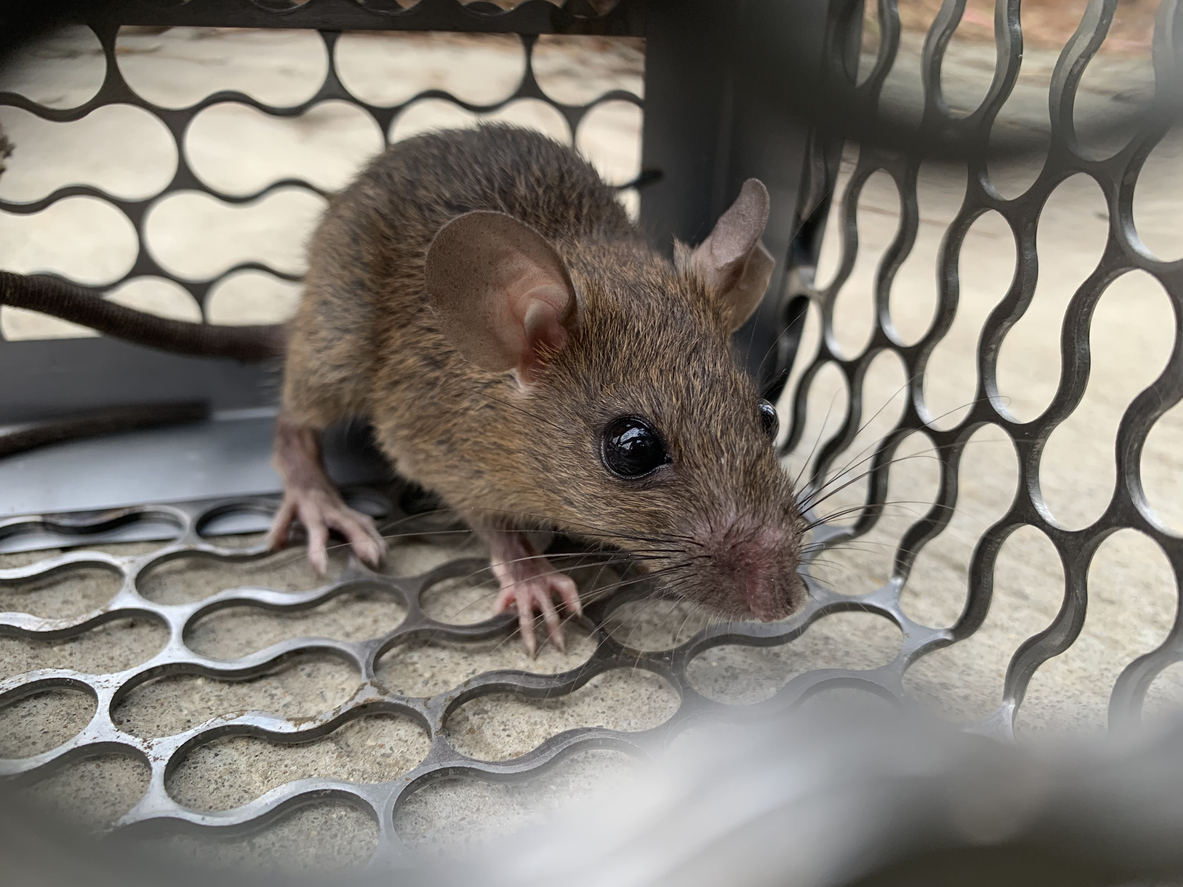
What Winter Rodent Problems Really Look Like
By Wayne, Owner, Wayne’s Pest Extermination
What I Walked Into
February is usually when my phone rings the most about rodents. A couple weeks ago, I got a call from a homeowner here in Ottawa who said they hadn’t slept well in days. They were hearing scratching sounds at night, mostly coming from the basement ceiling and one wall near the kitchen.
It was a single-family home, older build, nothing unusual for Ottawa. They first noticed a few droppings near a storage shelf in the basement, then started finding chewed food packaging in a pantry box they hadn’t touched in a while. By the time they called me, they were stressed and just wanted answers.
That’s pretty common this time of year.
The Problem
Once rodents get inside during winter, they don’t just pass through. They look for a safe spot, build nests, and stay put as long as the conditions work for them.
During the inspection, I found mouse droppings along the foundation wall and behind stored boxes in the basement. These weren’t old signs either — they were recent, which told me activity was ongoing. Along the baseboards, there were visible rub marks where mice were traveling the same paths night after night. Above the basement ceiling, the insulation had been pulled apart, and nesting material was packed in tight. That’s a common spot because it stays warm and quiet.
In the garage, the bottom door seal had worn down over time. It didn’t look like much at first glance, but there was enough of a gap for mice to squeeze through without any effort. That single weak point was likely how the problem started.
The bigger concern wasn’t just the mice themselves. It was what they were damaging along the way. I saw chew marks on wiring, torn insulation, and contamination from droppings and urine. That’s where the real issues come in — health risks from bacteria, fire hazards from damaged wiring, and lingering odors that don’t go away on their own. A lot of this happens out of sight, so homeowners don’t realize how bad it is until it’s been going on for a while.
In Ottawa winters, once mice are in, they’re not leaving on their own. The cold outside keeps them exactly where they are.

The Process
The first step was a full interior and exterior inspection. Inside the home, I followed the signs — droppings, rub marks, nesting material — to map out where the mice were moving and where they were settling in. That helps avoid guessing and makes sure the work is focused where it needs to be.
Outside, I walked the entire perimeter of the house. I checked the foundation, siding, vents, utility lines, and garage entry points. Winter wear and tear creates small openings over time, and mice are good at finding them. The goal here was to locate every possible access point, not just the obvious one.
We placed traps only in areas where there was confirmed activity. They weren’t scattered around randomly. Placement matters if you want results quickly and safely. At the same time, we started exclusion work. That meant sealing entry points using materials rodents can’t chew through, especially around pipes, vents, and the garage door area.
Where nesting had damaged insulation, I removed the contaminated material and made sure the space was cleaned out properly. I also double-checked nearby areas to make sure no secondary access points were being missed. Rodent jobs don’t work if even one gap is left open.
Everything was done carefully and quietly. No tearing up walls, no unnecessary disruption to the home. Just steady, methodical work aimed at fixing the problem properly and preventing it from coming back.
The Outcome
Within a few days, the activity stopped completely. There were no more scratching sounds at night and no new droppings showing up in the basement or garage. That’s usually the first sign things are moving in the right direction.
The homeowner mentioned they finally slept through the night again without listening for noises, which is something I hear often after rodent jobs. Once the sounds stop, a lot of the stress goes with it.
I came back about a week later to recheck the traps and confirm there was no new movement. Everything stayed clear. No fresh signs, no new damage, and no activity inside the walls or ceilings.
At that point, the house felt normal again. And that’s really the goal — for people to stop worrying about what’s going on behind the walls and just live in their home without thinking about pests at all.
DIY Advice I Shared
Before I left, I gave them a few things to keep up with that actually make a difference:
Keep all dry food in sealed containers, including pet food and bird seed
Clean up crumbs and spills right away, especially in storage and utility areas
Reduce basement clutter and keep stored items off the floor
Avoid using cardboard boxes for long-term storage when possible
Check garage door seals every winter — they wear out faster than people think
Make sure basement windows close tightly and screens are intact
Watch for droppings early and don’t ignore them, even if it seems minor
Seal small gaps as soon as they’re noticed, especially around pipes and utility lines
They followed through on those steps, and it helped keep the situation from returning.

Professional Insight
DIY steps are important, but when rodents are already inside, they usually aren’t enough on their own. By February, most rodent problems in Ottawa are established. That’s when professional inspection and proper exclusion really matter.
It’s not about overreacting — it’s about fixing the actual cause so the problem doesn’t come back next winter.
Closing
Every rodent job reminds me how stressful this can be for homeowners, especially during the colder months. Most people don’t call right away because they hope it’s nothing. Usually, it’s something.
If you’re in Ottawa and noticing signs like scratching sounds, droppings, or chewed materials, it’s worth looking into sooner rather than later.
Stay warm, and take care of your home.
– Wayne

Schedule a Pest Inspection
Ready to schedule a pest inspection? Contact us today.
343-353-0880
239 Craig Henry Dr, Ottawa, ON K2G 5V1